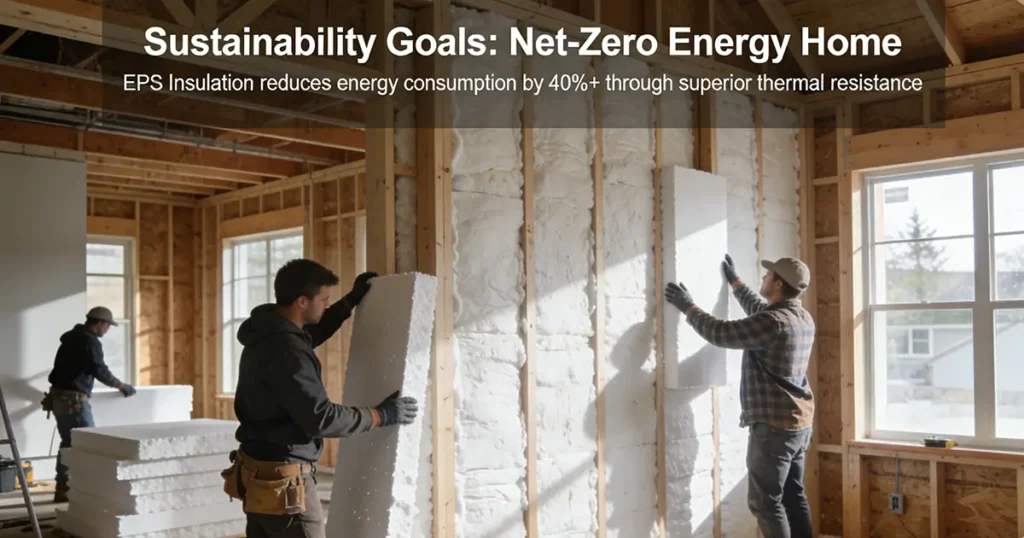
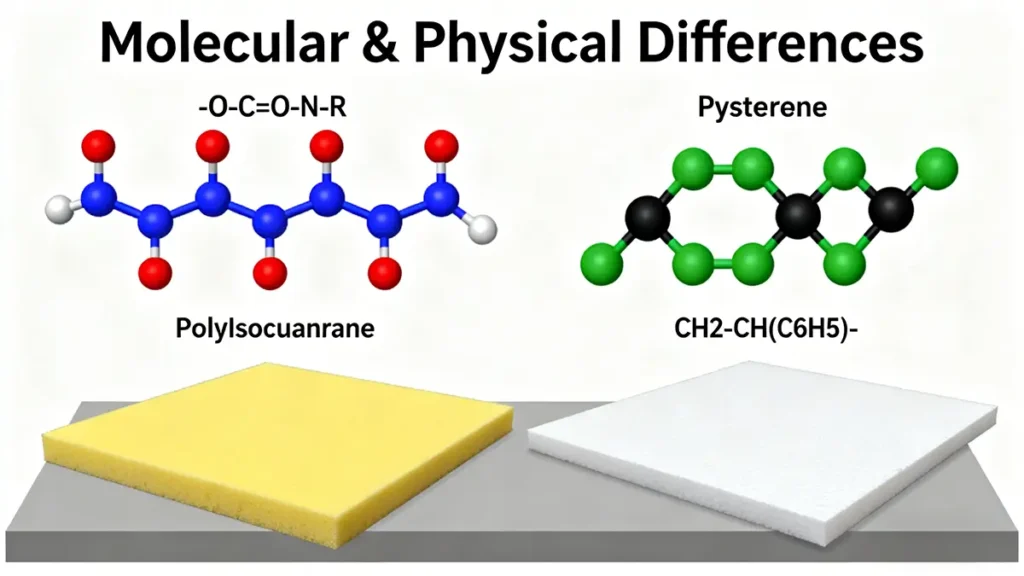
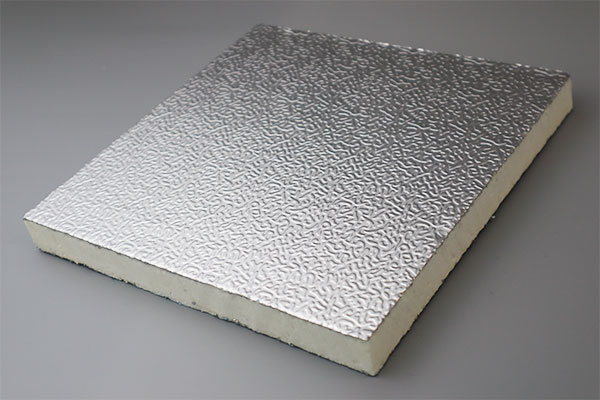
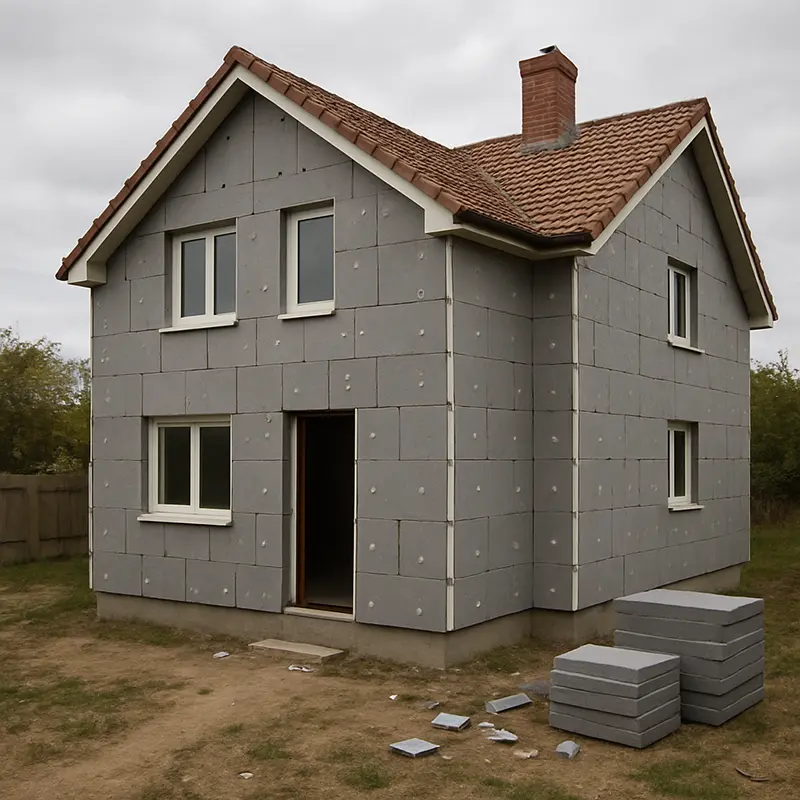
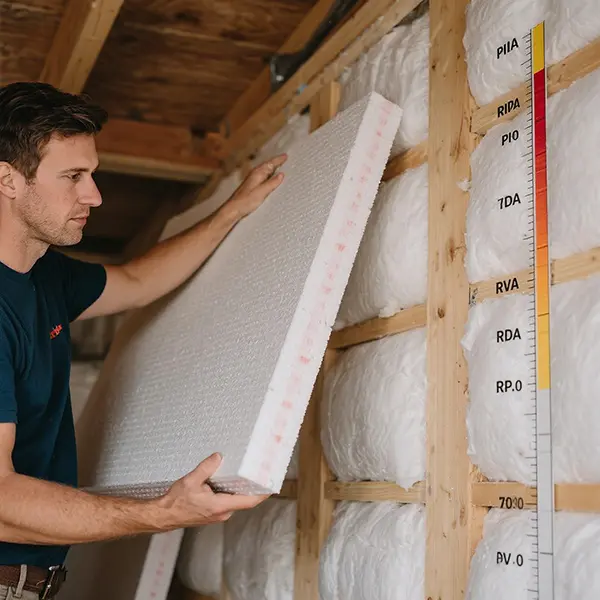
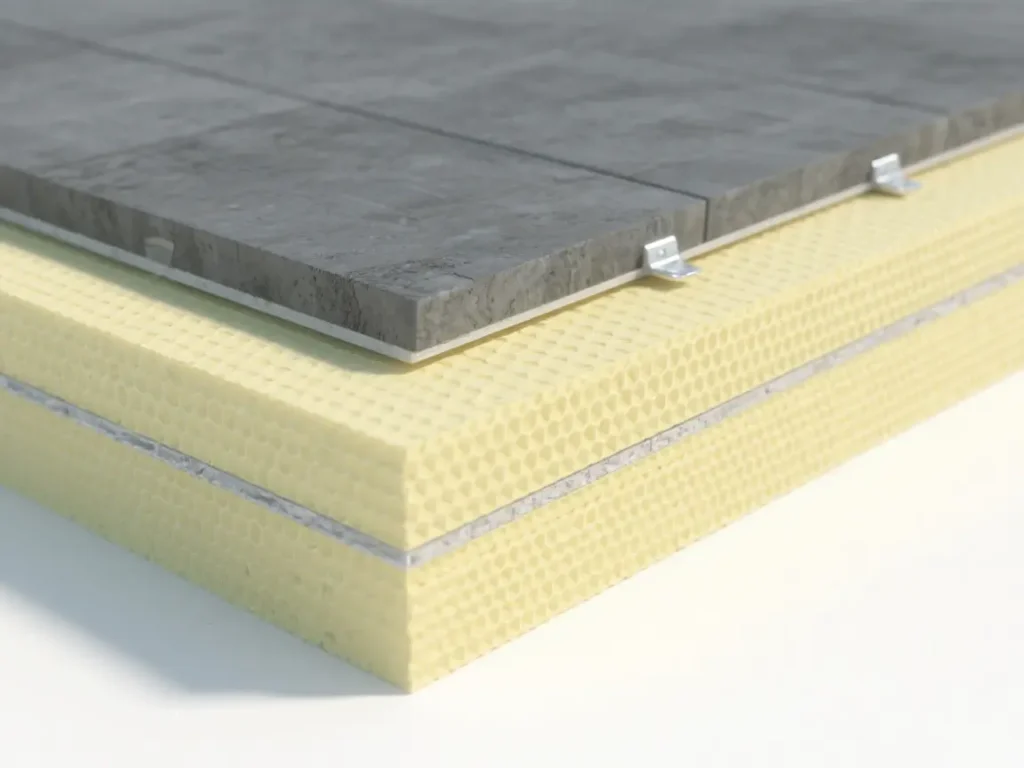
The construction industry continually evolves with innovative materials and solutions that enhance building efficiency, sustainability, and comfort. These advancements not only address immediate construction needs but also align with long-term goals of sustainability and environmental stewardship. One such advancement is the use of insulation boards. These boards are versatile, providing thermal insulation and contributing to energy efficiency. As the demand for green building solutions increases, insulation boards offer a practical and effective way to meet these needs. Let’s delve into the benefits of using insulation board in construction and how it can significantly impact your building projects. Insulation boards, also known as insulation panels or thermal insulation sheets, are rigid boards used to insulate various parts of a building. These boards come in various materials like PIR (Polyisocyanurate), EPS (Expanded Polystyrene), and XPS (Extruded Polystyrene), each offering unique properties tailored for specific applications. Their composition allows them to provide superior thermal resistance compared to traditional insulation materials, making them a preferred choice in modern construction. The versatility of insulation boards is another key advantage. They can be used in a wide range of

 English
  繁體中文
繁體中文  Deutsch (Sie)
  日本語
日本語  Español
  Français
  Русский
  Deutsch (Schweiz)
  Deutsch (Österreich)
  Español de Costa Rica
  Español de Perú
  Español de Colombia
  Español de Chile
  Español de México
  Español de Argentina
  Français du Canada
  Français de Belgique